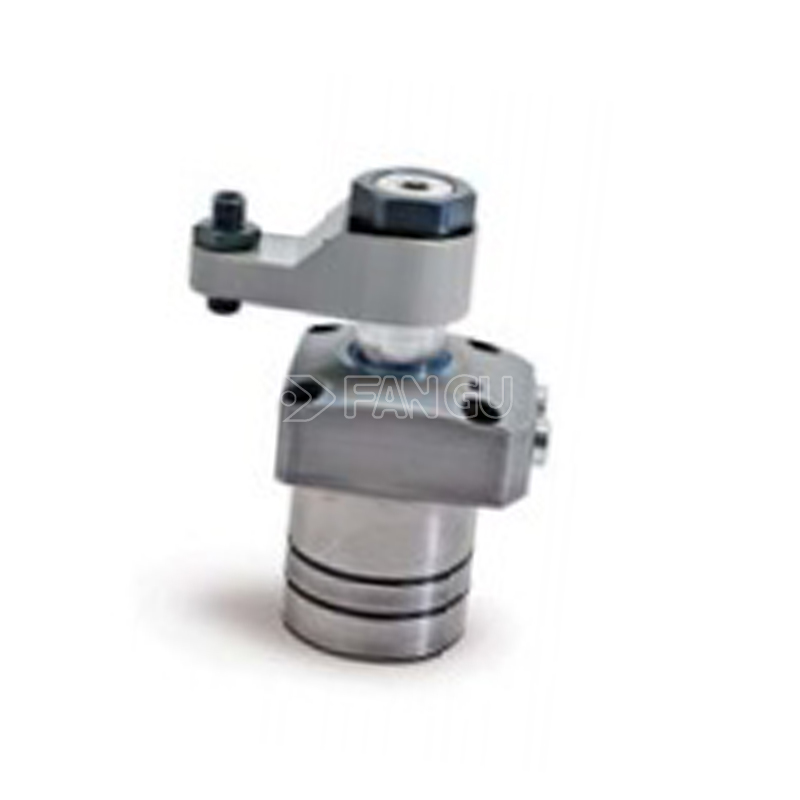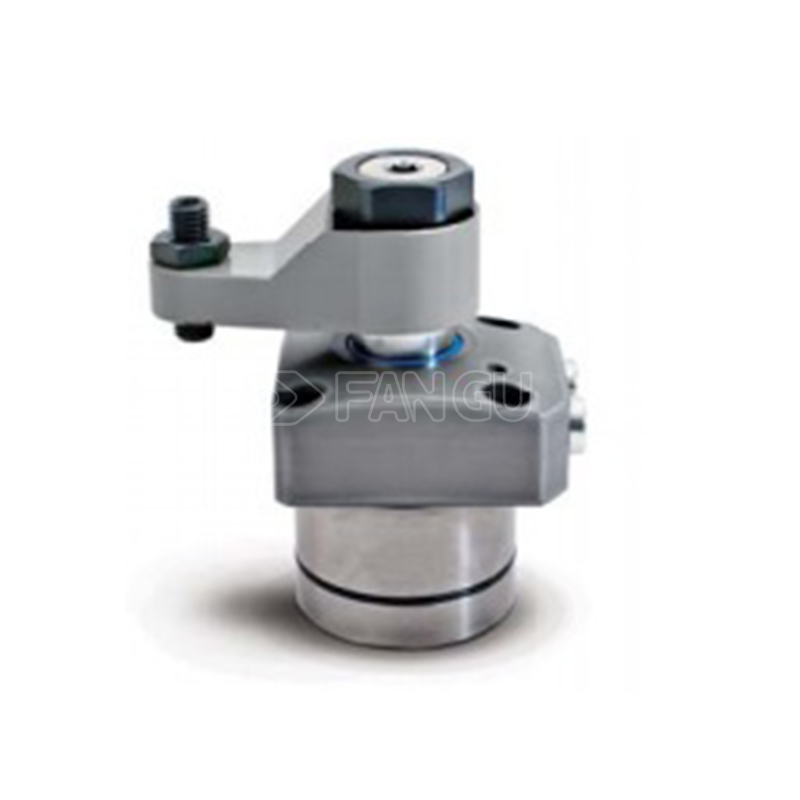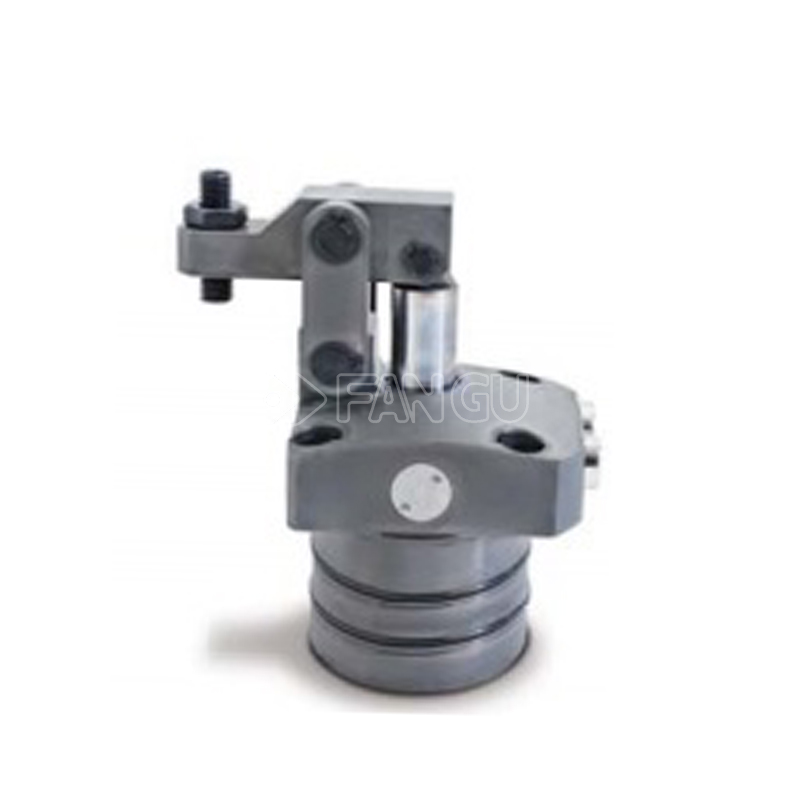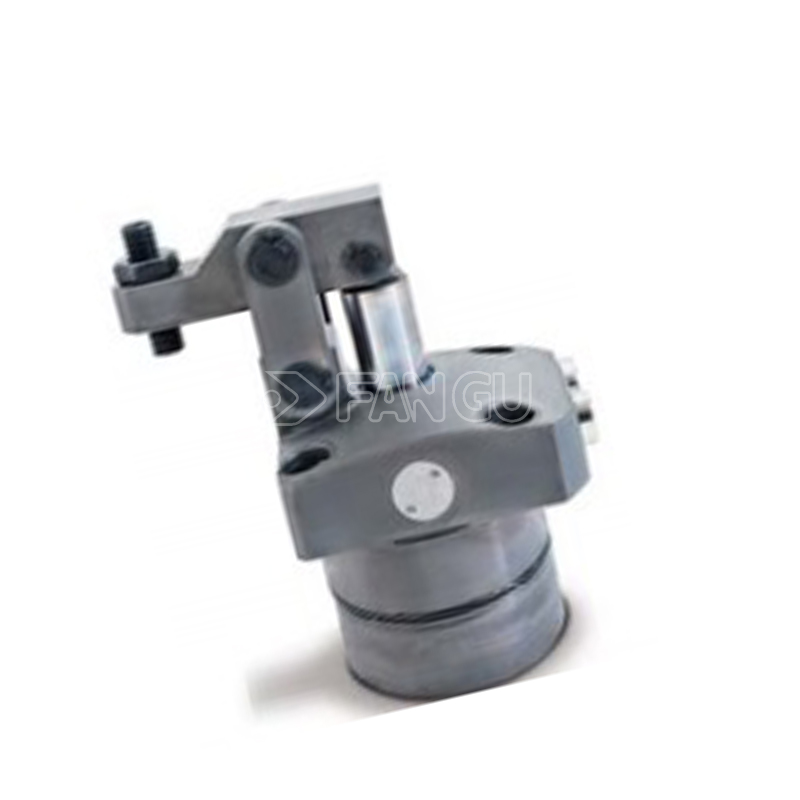
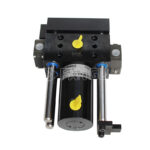
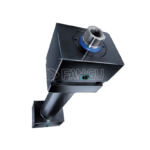
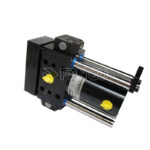
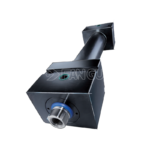
AHP MERKLE BSE Push Unit – Product Introduction
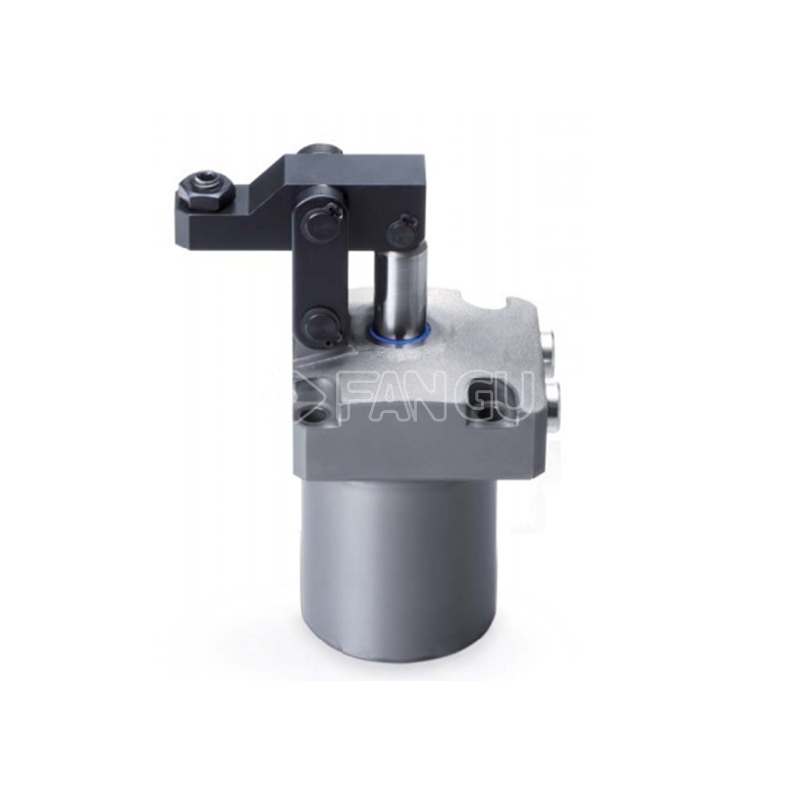
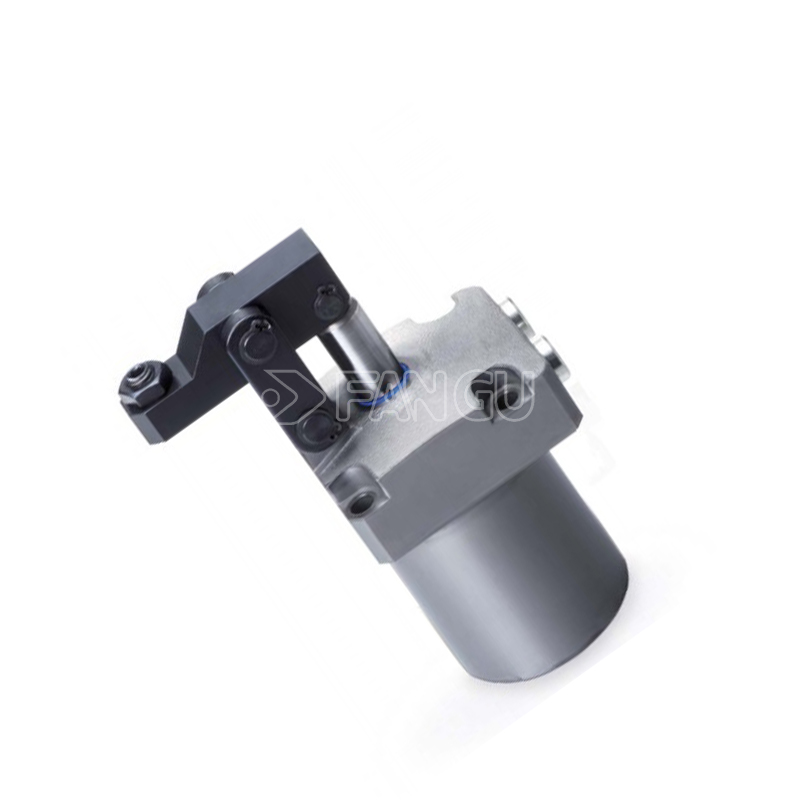
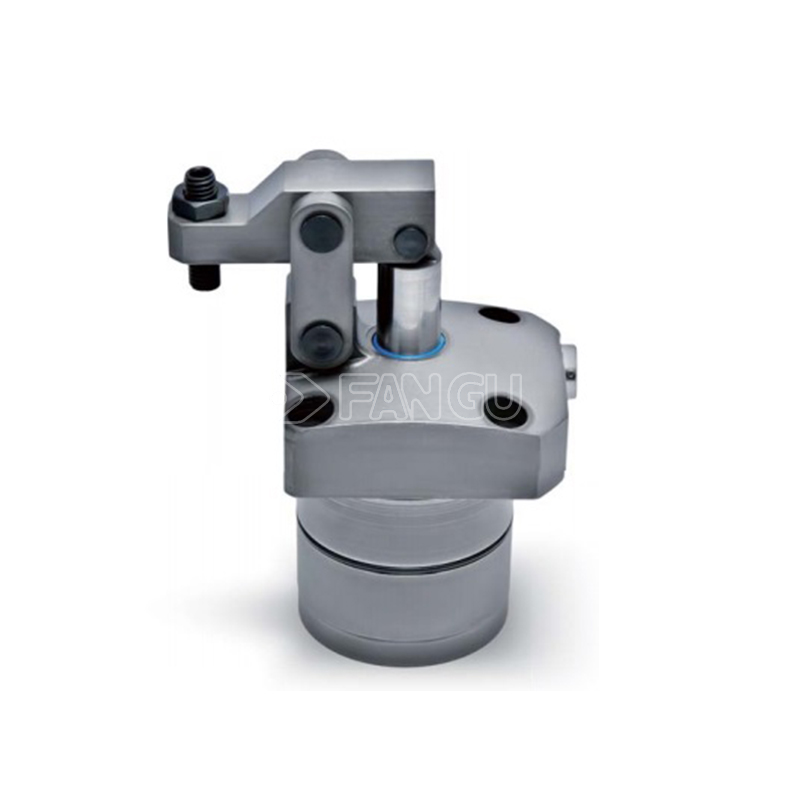
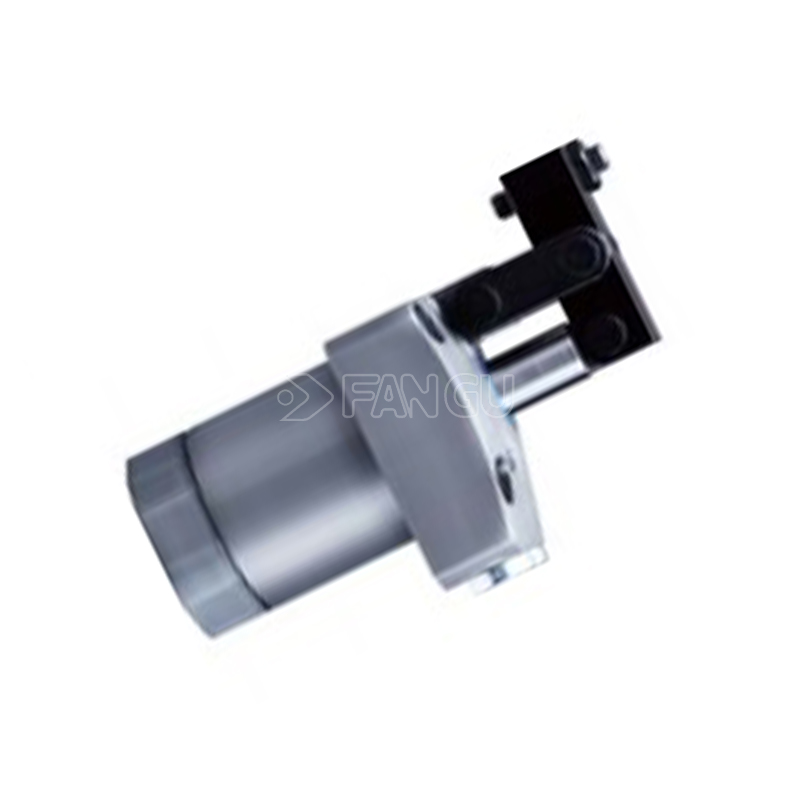
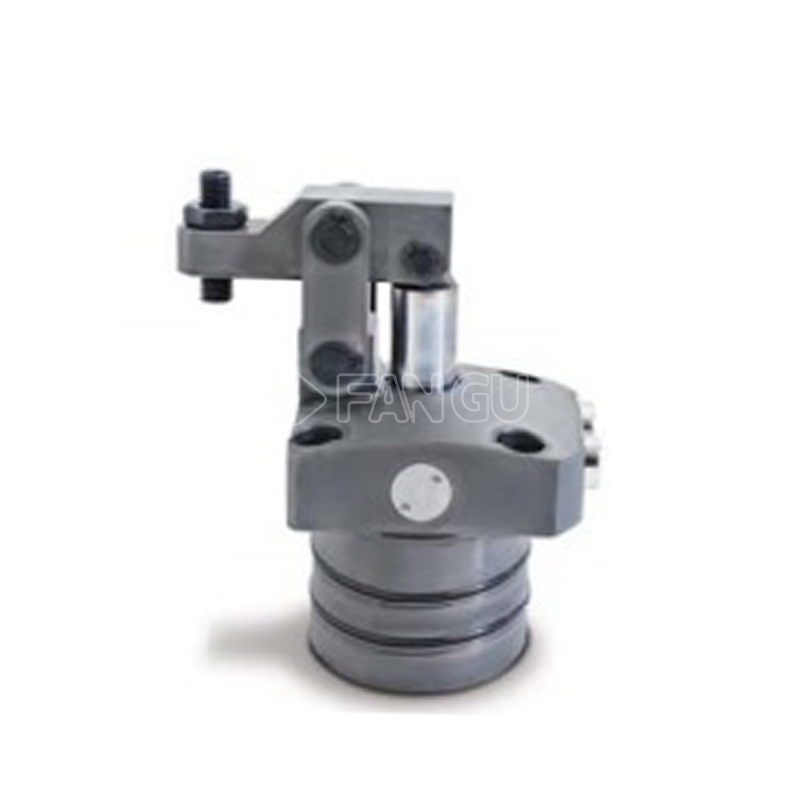
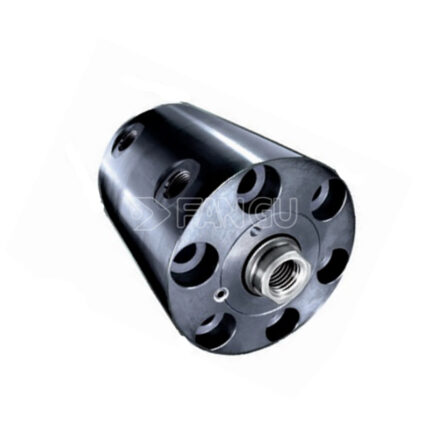
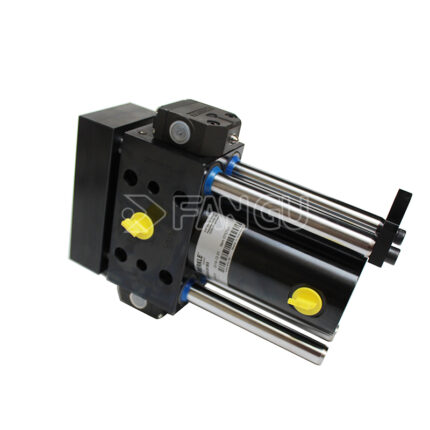
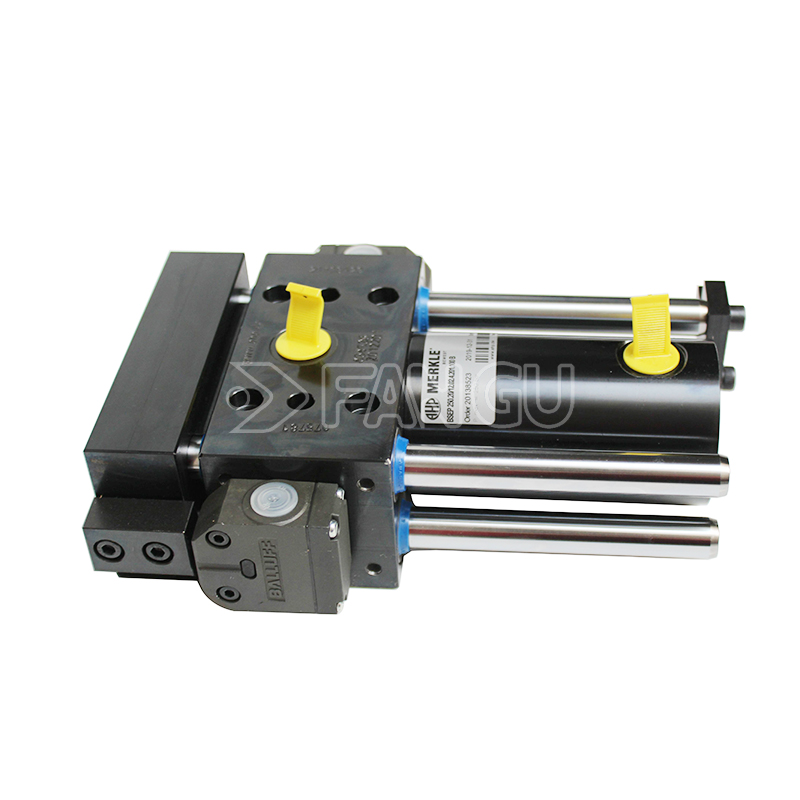
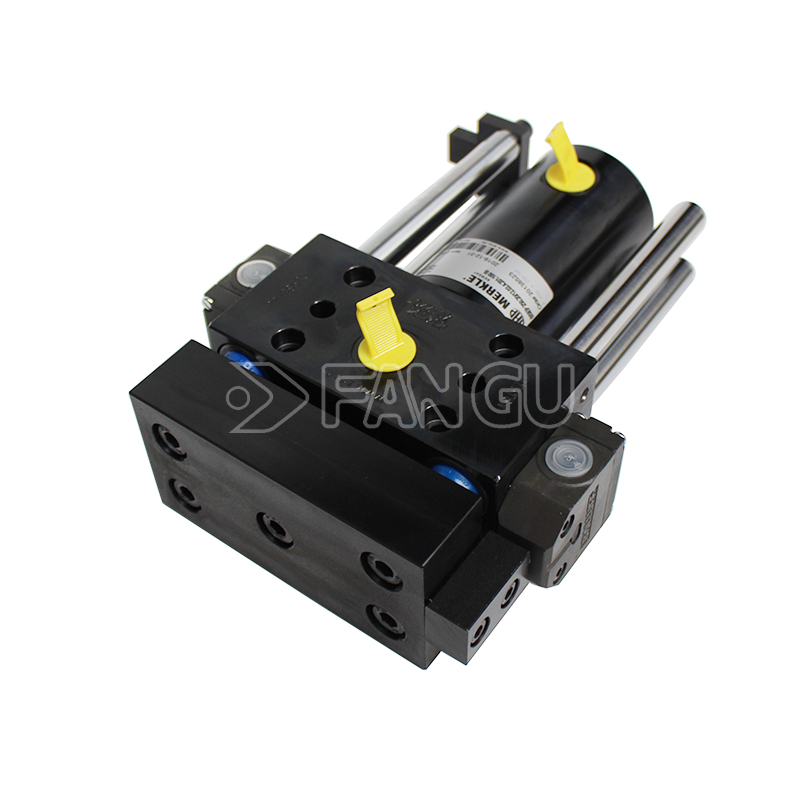
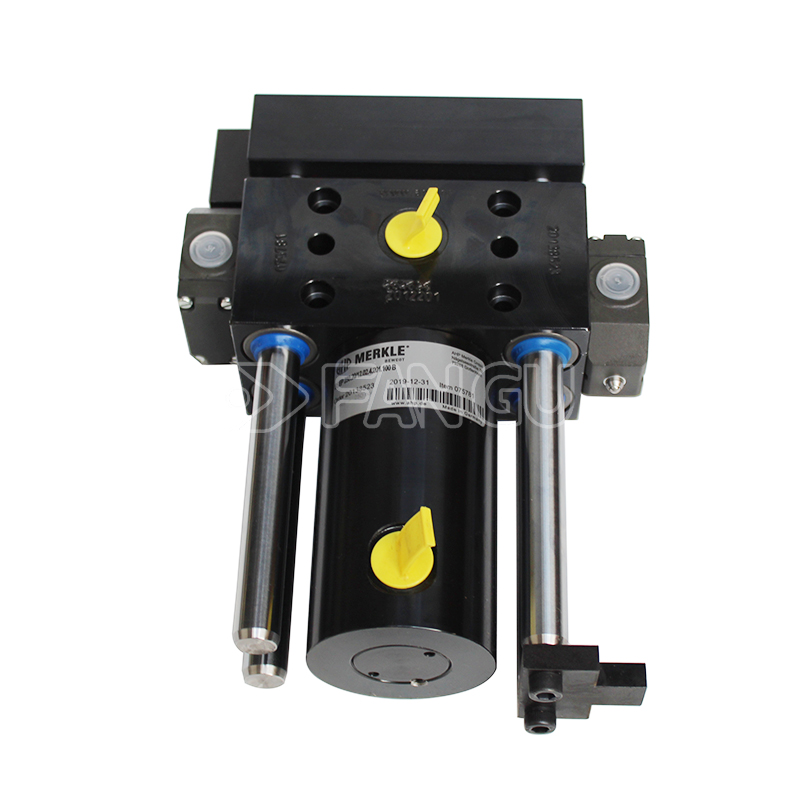
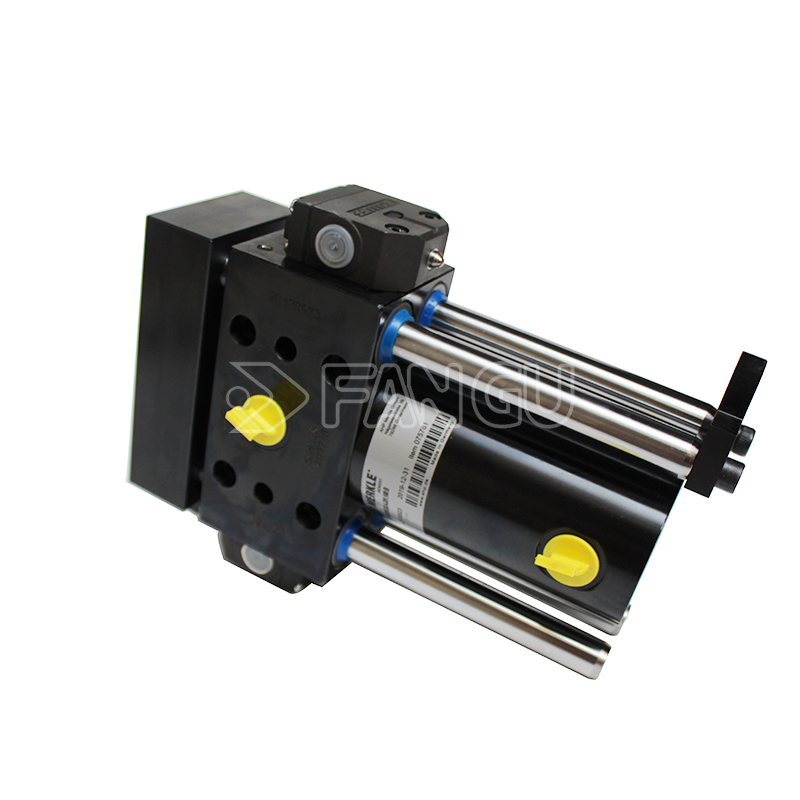
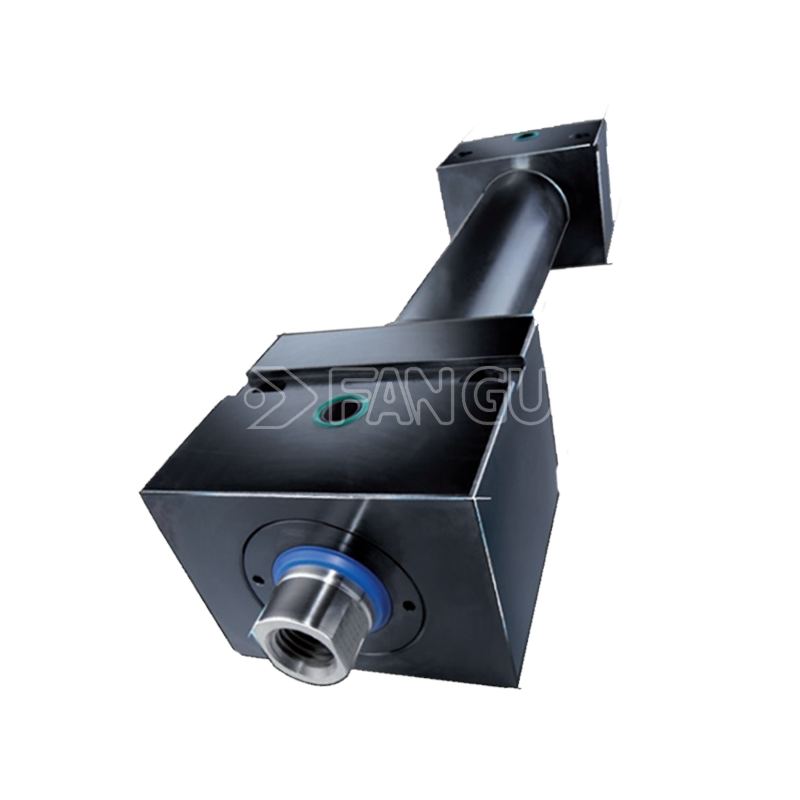
The BSE series (also called Slide Unit / Push Unit) is a compact, guided hydraulic thrust device engineered by AHP Merkle GmbH (Germany). It integrates a heavy‑duty block cylinder with 2–4 guide columns, designed to absorb high lateral forces and deliver precise, linear pushing motion in tooling, deburring, cutting, and automation applications.
Brand & Product Overview
- Manufacturer: AHP Merkle GmbH (Germany, founded 1973)
- Series: BSE 250 (standard), BSEP 250 (reinforced/heavy‑duty)
- Type: Double‑acting guided push unit (integrated cylinder + guide columns)
- Max. Operating Pressure: 250 bar (3,625 psi)
- Core Concept: Based on Merkle’s proven block cylinder design, with additional guide columns to eliminate deflection and handle extreme side loads.
Pressure & Force
- Max pressure: 250 bar (all BSE 250 models)
- Bore sizes (piston diameter): Ø20, 25, 32, 40, 50, 63, 80, 100 mm
- Rod diameters: 12, 16, 20, 25, 32, 40, 50 mm (matched to bore)
- Standard strokes: 50, 75, 100 mm (custom up to 150 mm available)
Guidance & Construction
- Guide columns: 2, 3, or 4 (hardened, ground steel)
- Cylinder body: High‑strength alloy steel, monolithic block design
- Piston rod: Hardened → precision ground → hard chrome‑plated → mirror polished (high wear/corrosion resistance)
- Seals:
- Standard: NBR (‑20 °C to +80 °C)
- High‑temp: Viton (‑20 °C to +180 °C) (option code F)
- Front plate: Optional guided front plate for direct tool mounting
Mounting Options
- 01: Mounting holes, with guide columns, without front plate
- 02: Mounting holes, with guide columns and front plate
- 11: Mounting thread, with guide columns, without front plate
Core Advantages
- High lateral load resistance: Guide columns absorb side forces up to 30% of axial force (no bending, no deflection)
- Compact & integrated: Combines cylinder + guidance in one unit – saves space vs. separate cylinder/guide assemblies
- Precision linear motion: Long guidance length ensures accurate, repeatable thrust (ideal for cutting/deburring)
- Short lead times: Large stock of standard models; 24 bore/stroke combinations available
- Easy tool integration: Optional front plate allows direct mounting of deburring knives, cutting tools, or clamping jaws
Typical Applications
- Deburring tools: Linear thrust for edge deburring in metalworking
- Cutting units: Precision push for blanking, piercing, or trimming operations
- Mold & die: Slider actuation, core pulling, and clamping in injection/die‑cast molds
- Automation: Linear actuators for assembly lines, part positioning, and heavy clamping
- Special machinery: Compact thrust for space‑restricted tooling and machine frames