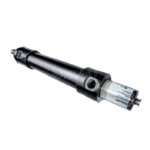
AHP MERKLE HMZ Series Hydraulic Cylinders
General Overview
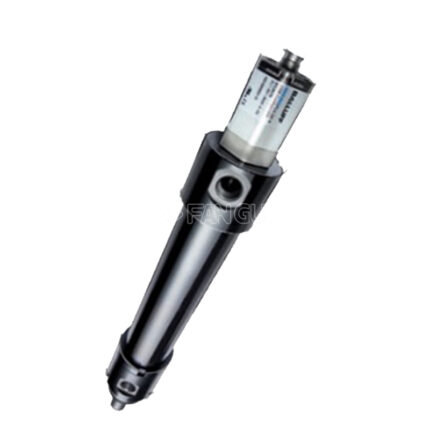
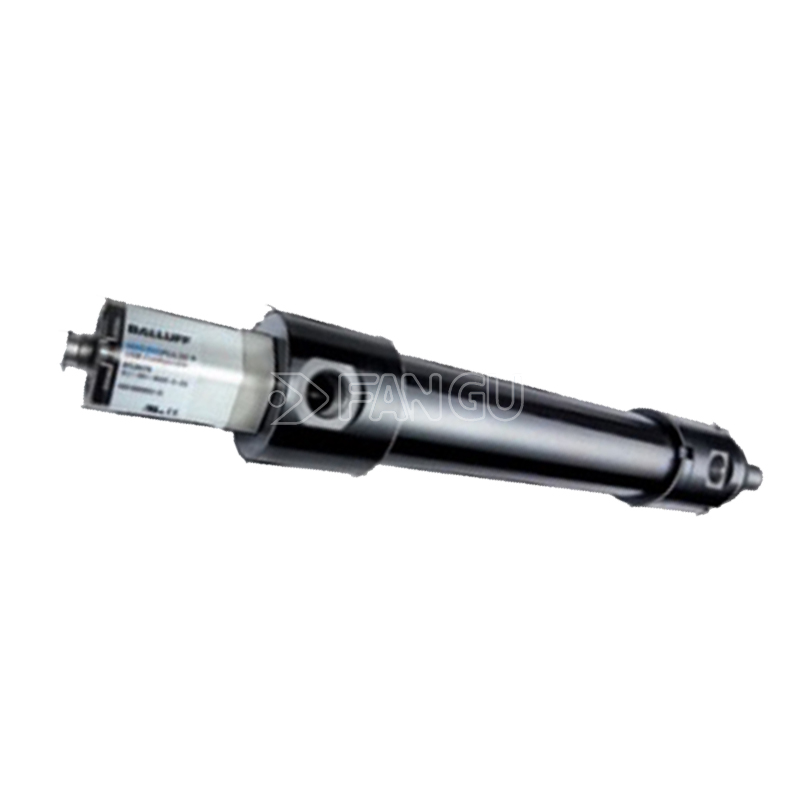
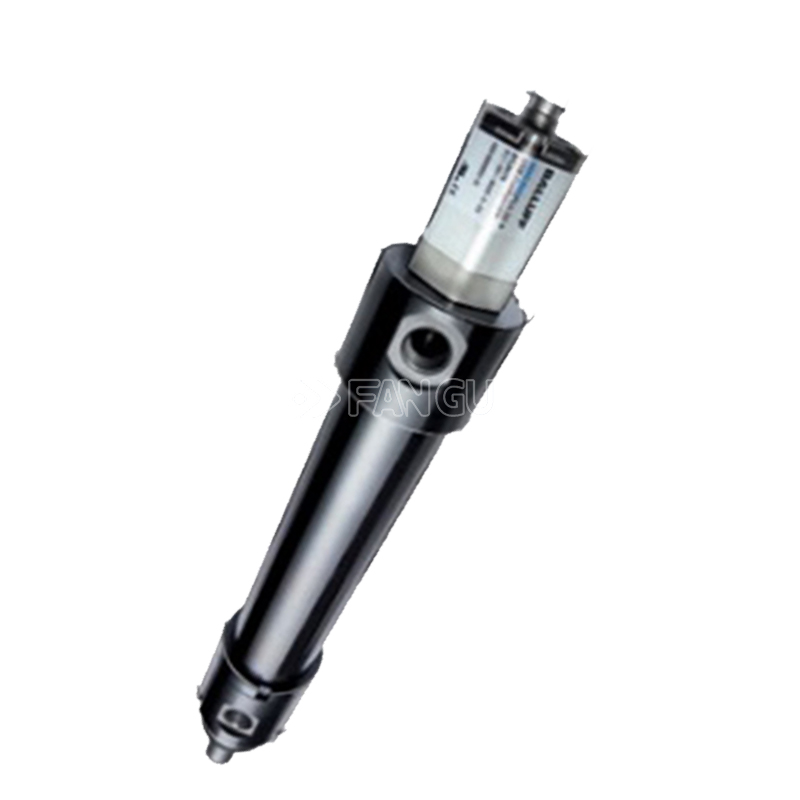
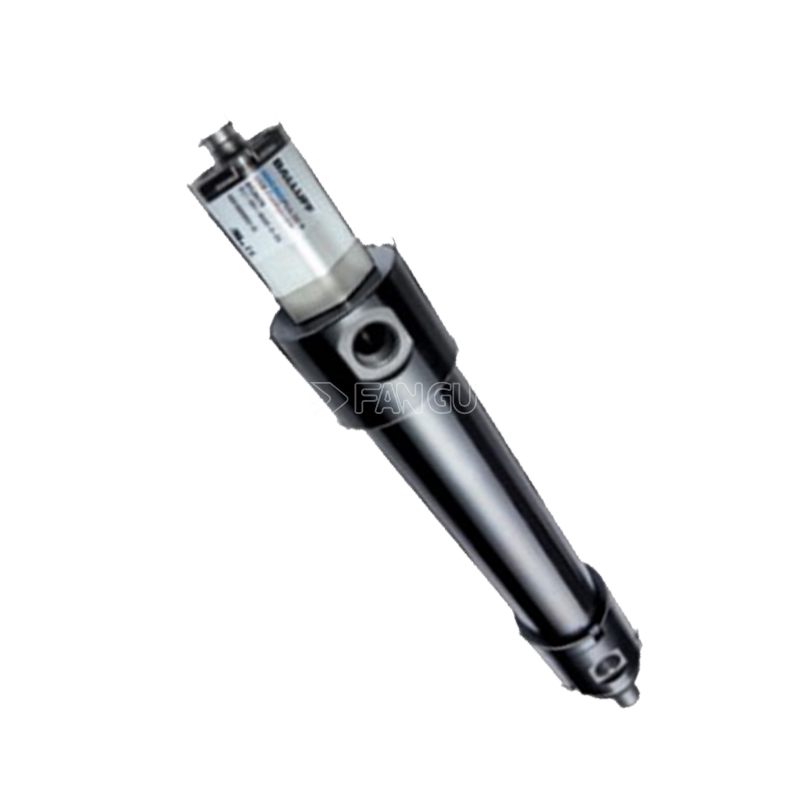
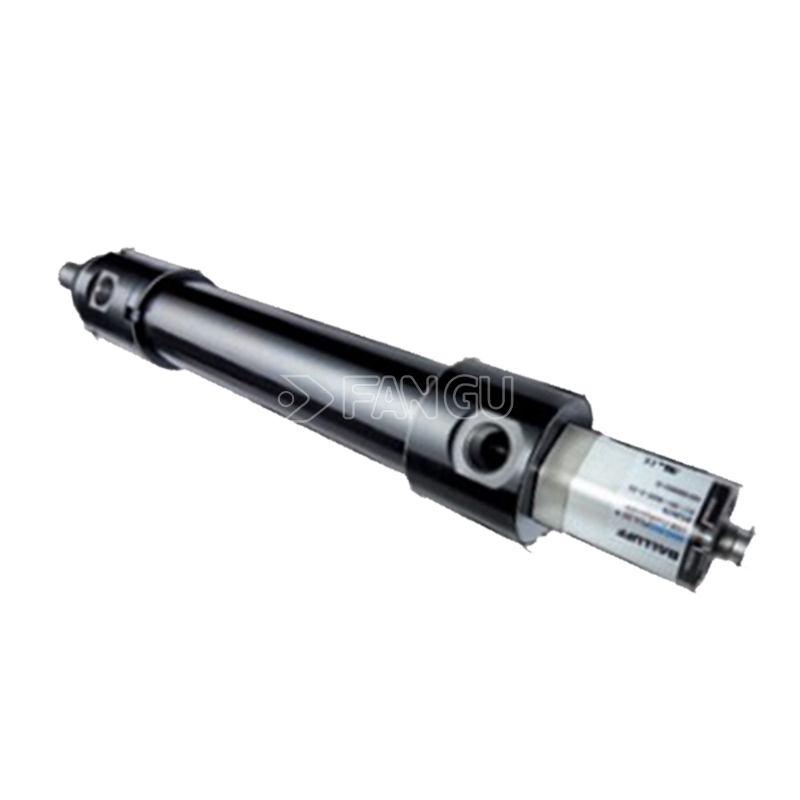
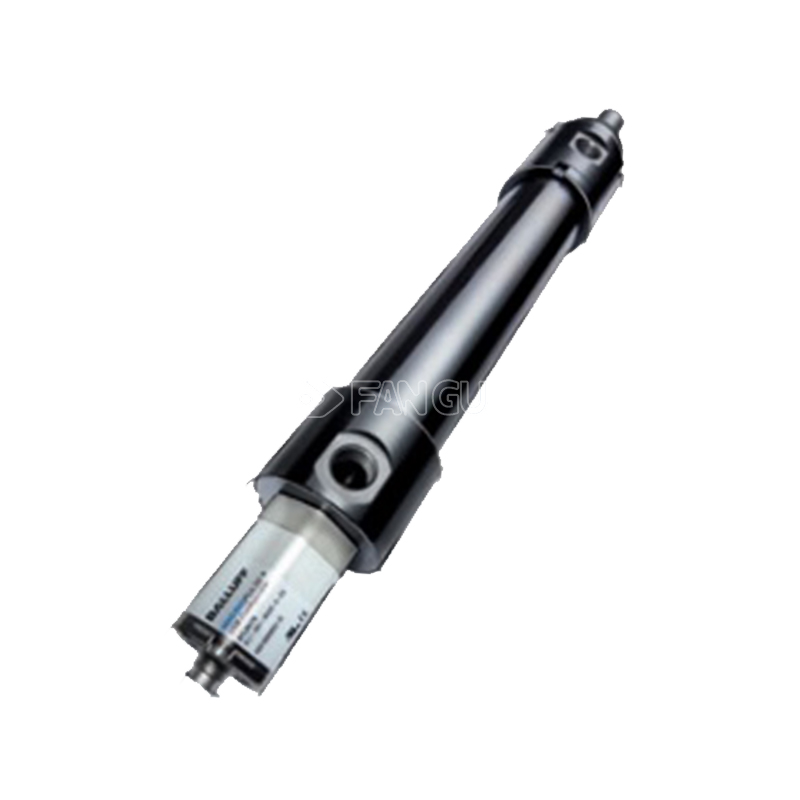
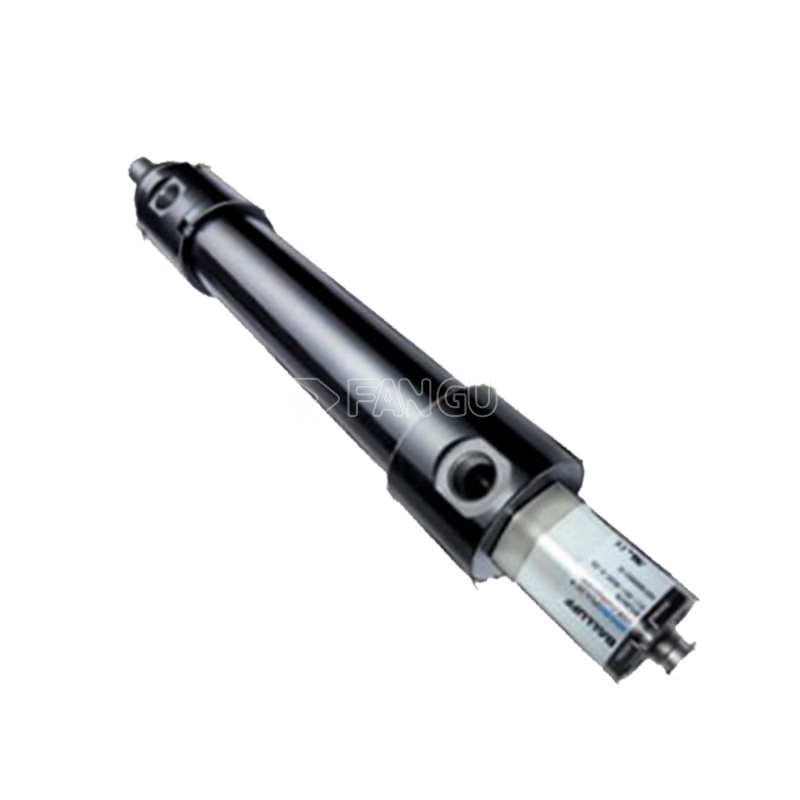
The HMZ series is a compact, high‑pressure round‑body hydraulic cylinder with integrated magnetic sensor grooves, manufactured by AHP Merkle GmbH (Germany). It is specially designed for precision automation and closed‑loop position‑control applications, built for 250 bar maximum working pressure, combining the heavy‑duty performance of the HZ 250 series with direct position‑sensing capability.
HMZ is the high‑pressure sensor‑ready counterpart of the MHZ 160 series, engineered for heavy‑load clamping, pressing, core pulling and safety‑critical hydraulic systems.
Model Code Definition
HMZ 250.40/25/100.10.201.E
- HMZ 250: Series, 250 bar, magnetic‑sensor‑ready
- 40/25: Bore / Rod diameter (mm)
- 100: Working stroke (customizable)
- 10: Integrated magnetic sensor groove
- 201: Double‑acting, no cushioning
- V: NBR standard seal; E: FKM high‑temperature seal
- Max Working Pressure: 250 bar (3 625 psi)
- Body Type: Seamless round steel tube, high‑rigidity thick‑walled construction
- Bore Sizes: Ø 16, 20, 25, 32, 40, 50, 63, 80, 100 mm
- Standard Rod Diameters: 8, 10, 12, 16, 20, 25, 32, 40, 50, 63 mm
- Standard Stroke: Up to 2 000 mm, custom stroke available on request
- Temperature Range:
- NBR seals (V): −20 °C ~ +80 °C
- FKM seals (E): −20 °C ~ +120 °C
- Sensor Compatibility: Magnetic field sensors (integrated longitudinal sensor groove, no external mounting brackets required)
- Mounting Options: Front thread, front flange, foot mounting, clevis, rear flange
Core Advantages
- 250 bar high‑pressure rating: Suitable for heavy‑duty industrial and mould applications
- Built‑in sensor groove: Saves installation space, improves sensor reliability and reduces assembly time
- Compact round‑body design: Short overall length for space‑restricted tooling and automation
- Low‑friction, stable operation: Optimised guiding and sealing system for creep‑free low‑speed performance
- High durability: Hardened chrome‑plated rod and thick‑walled tube ensure long service life
- Modular structure: Seals and sensors can be replaced on‑site simply
Typical Applications
- Die‑casting & injection moulds: Core pulling, ejection, clamping with position feedback
- Heavy‑duty machine tools: Workpiece clamping, slide drives and pressing units
- Industrial automation: Precision positioning, closed‑loop control, safety locking systems
- Automotive manufacturing: Welding fixtures, assembly stations, high‑force pressing operations
- Hydraulic presses: Stamping, forming and assembly processes requiring stroke monitoring